

Sing Us Home Festival 2026 Brought Philly Together for a Weekend of Community and Catharsis
From hometown heroes and scene veterans to unforgettable after-hours performances, Sing Us Home Festival transformed Manayunk into a celebration of connection, shared history,and the kind of music community that still feels refreshingly real.
By Elena Stevens
Radio Garden State / Riot + Reverie Radio
May 2026
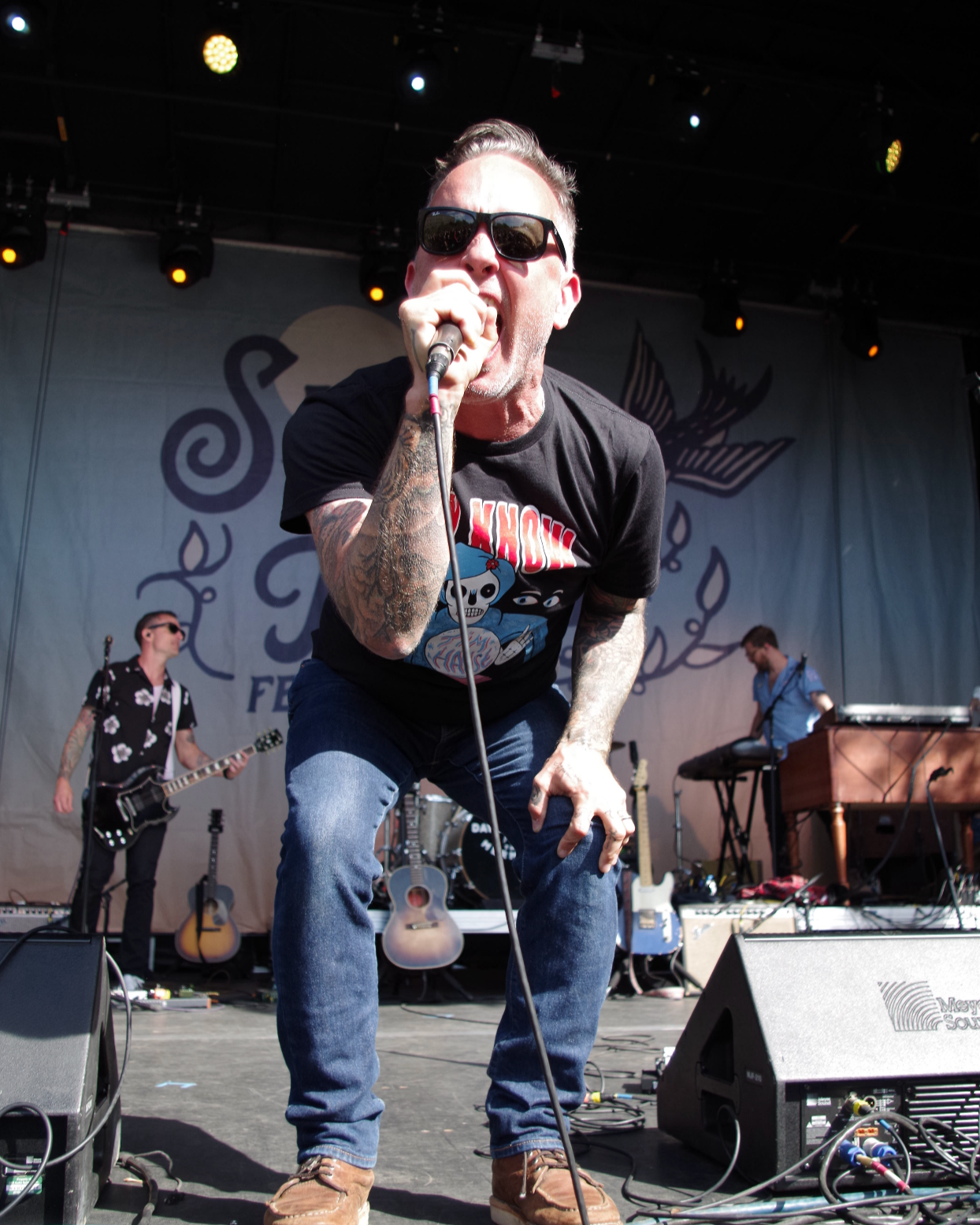
There are bigger festivals. Louder festivals. More polished festivals. But over the course of three nearly perfect spring days in Manayunk from May 1 through 3, Sing Us Home Festival managed to pull off something much harder to manufacture: genuine community.
What could have easily felt like a stacked outdoor lineup instead felt more like a family reunion soundtracked by punk, indie, folk, and alternative music. Old friends crossed paths. Touring veterans shared stages with newer artists. Families stood alongside longtime scene regulars. parents with kids mixed with older punks and younger fans discovering bands for the first time. Somehow, all of it fit together naturally. That balance is what made Sing Us Home Festival feel special.
Photo by Elena Stevens
Curated by Dave Hause, the festival never drifted into self-importance despite featuring a lineupthat included The Menzingers, The Flatliners, The Augustines, The Mountain Goats, Tim Hause,and more. Instead, the entire weekend felt grounded in the kind of DIY spirit and emotional sincerity that often disappears once festivals start getting too big for themselves.Between sets, Big Boy Brass kept the energy flowing through the festival grounds instead of allowing momentum to stall.
Local vendors and food trucks gave the event a neighborhood block party atmosphere, while even larger sponsors like Liquid Death somehow still felt alignedwith the personality of the festival rather than intrusive.
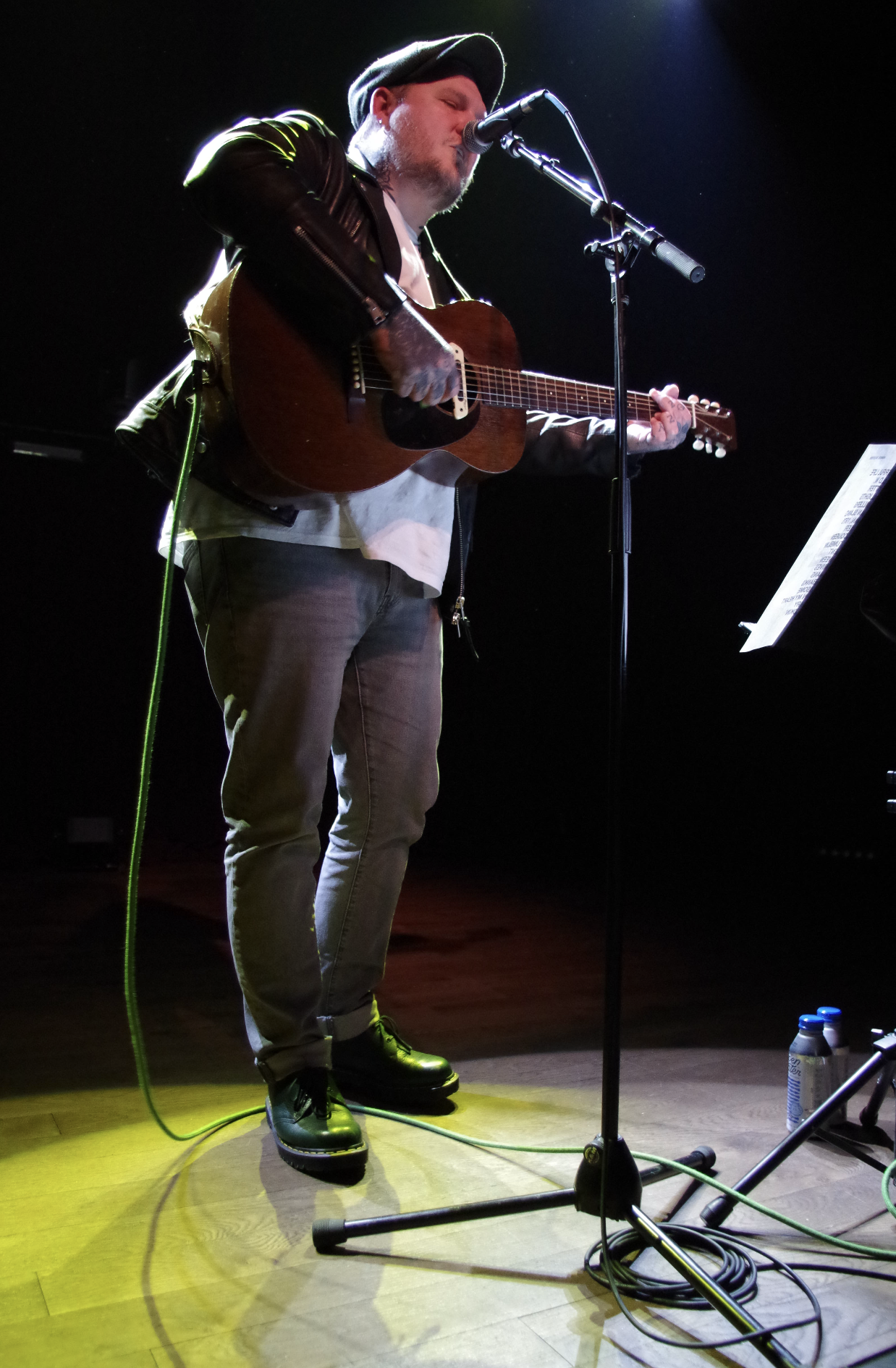
Nothing about Sing Us Home Festival felt pretentious.
The weekend opened with the Hause Family Campfire acoustic set, immediately establishing the
tone for everything that followed. Instead of feeling like the beginning of a major production, it
felt welcoming and personal. Less like arriving at a festival and more like being invited into a
community that already existed long before the gates opened.
While crowd reactions naturally peaked for some of the more established artists, there was very
little separation between legacy acts and newer additions.
Fans seemed genuinely invested in the entire lineup rather than simply waiting around for headliners. Each day carried a steady arc of energy that flowed seamlessly from one performance to the next. Still, certain sets clearly left a mark.
Dave Hause consistently drew some of the weekend’s strongest reactions, which felt fitting given both his connection to Philadelphia and his role in building the festival itself. Watching
him perform in his hometown carried extra weight. Philly showed up for him in a way that felt deeply personal. The same could be said for The Menzingers and The Flatliners, whose sets reinforced why both bands continue to hold such an important place within punk and alternative music communities years into their careers.
Photo by Elena Stevens
Then there was The Augustines.
Part of the emotional weight surrounding their set came from the band’s ten-year hiatus, which gave the performance an almost surreal feeling before they even stepped onstage. By the time they performed “Chapel Song,” the connection between band and audience felt overwhelmingin the best possible way. It became one of the defining moments of the weekend, the kind of set that reminds audiences why certain bands continue to resonate long after trends fade. And while the festival itself was remarkable, the exclusive aftershow at Ardmore Music Hall somehow elevated the weekend even further.
Packed wall-to-wall yet still strangely intimate, the room carried the kind of electricity that only happens when everyone collectively realizes they are witnessing something special in real time. That moment arrived when Dave Hause joined Brian Fallon onstage for a performance of “American Slang” that instantly became one of the defining moments of the entire weekend.
The chemistry between the two was undeniable. Hause’s energy combined with Fallon’s presence created something that felt bigger than a guest appearance and closer to a genuine celebration of shared history, songwriting, and scene culture. It was the kind of performance that immediately leaves people saying the same thing afterward: somebody needs to release an official recording of this.
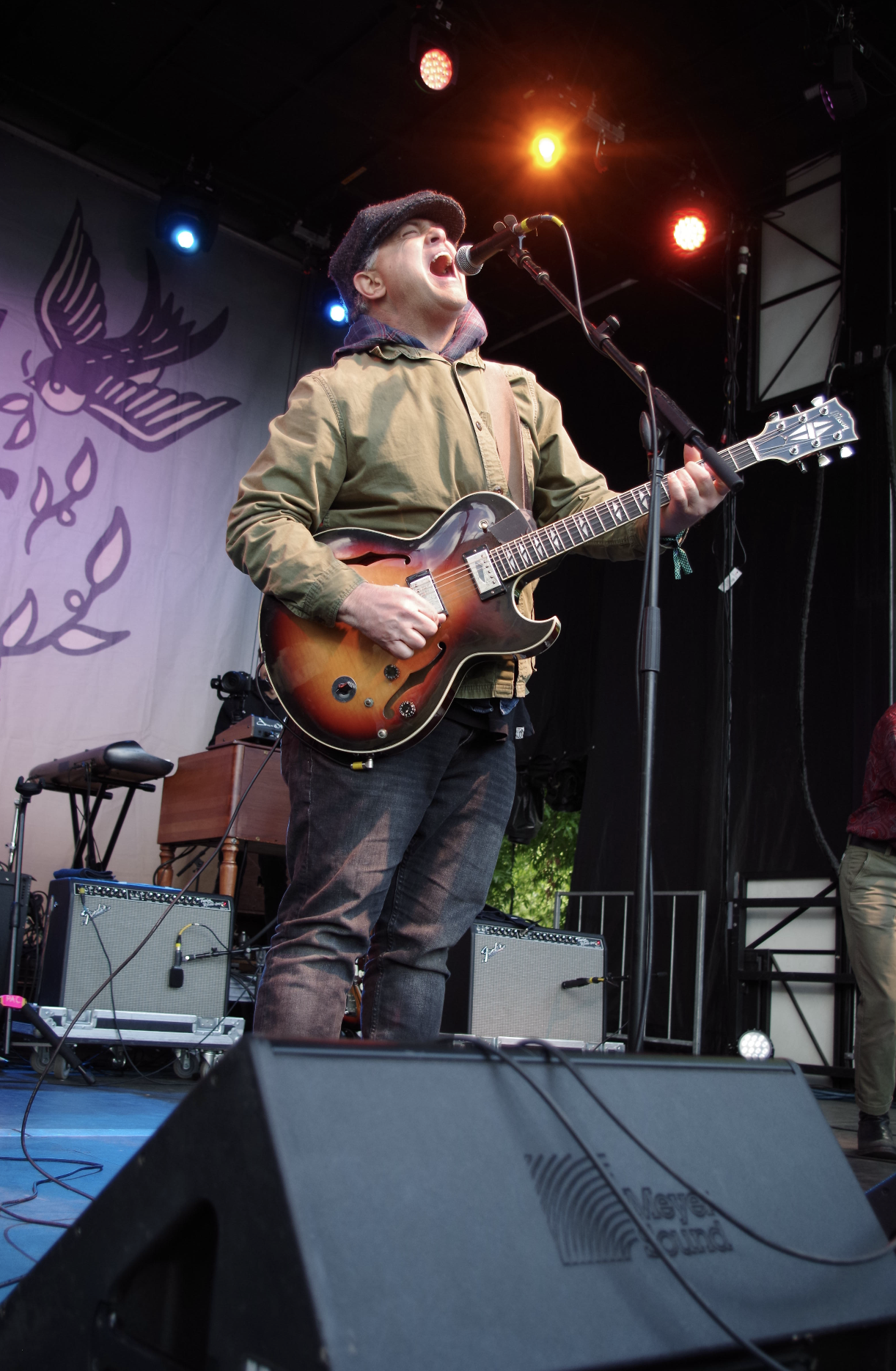
Fallon’s closing performance of “Smoke” brought the night to a close in a way that felt reflective
without losing the warmth and energy that carried throughout the weekend. For me personally,
the opening line, “I lost my mind in the middle of Toronto,” landed especially hard. As someone
originally from Toronto, it felt like one final full-circle moment in a weekend already filled with
them.
For Radio Garden State, the festival also represented something larger than simple coverage.
Many of the artists performing throughout the weekend are artists regularly featured across the
station’s programming, making the experience feel less like documenting a festival and more like
stepping directly into the broader music community the station helps celebrate year-round.
On a personal level, the weekend also marked a return to concert photography after more than
two decades away.
When I first started photographing bands, it was with a 35mm analog camera, chasing energy in
dark clubs and crowded rooms and trying to capture something honest before the moment
disappeared. Returning to that environment over twenty years later with a digital camera felt
unexpectedly natural, almost as though no time had passed at all.
More than anything, the weekend reminded me why I started documenting music in the first
place.
Photo by Elena Stevens
I wanted to bring together the two things I loved most: music and art. Somewhere between the chaos of festival crowds, perfectly timed stage lights, and the emotional weight carried throughout the weekend, that feeling came rushing back.And maybe that is ultimately what made Sing Us Home Festival resonate so deeply.Not because of algorithms. Not because of branding.
Not because of nostalgia alone.But because for one weekend in Philadelphia, thousands of people showed up to celebrate connection, shared history, and the simple joy of experiencing music together. At a time when so much live music culture can feel transactional or overly curated, Sing Us Home Festival felt refreshingly human.