

Sour Ops' Price Harrison on Analog Obsession, Nashville's Hidden Rock Scene, and the Art of Structural Guitar
Temple of Sound host Rich Temple sat down with Price Harrison, guitarist, vocalist, architect, and the driving creative force behind Sour Ops, for a wide-ranging conversation about the band's sound, their DIY studio philosophy, and why 2026 might just be the right moment for real rock and roll.
There's a certain kind of musician who can tell you exactly why a tube amplifier sounds the way it does. Not just in vague poetic terms, but in the specific language of circuit design and voltage. Price Harrison is that musician, and it goes a long way toward explaining why Sour Ops sounds the way it does.
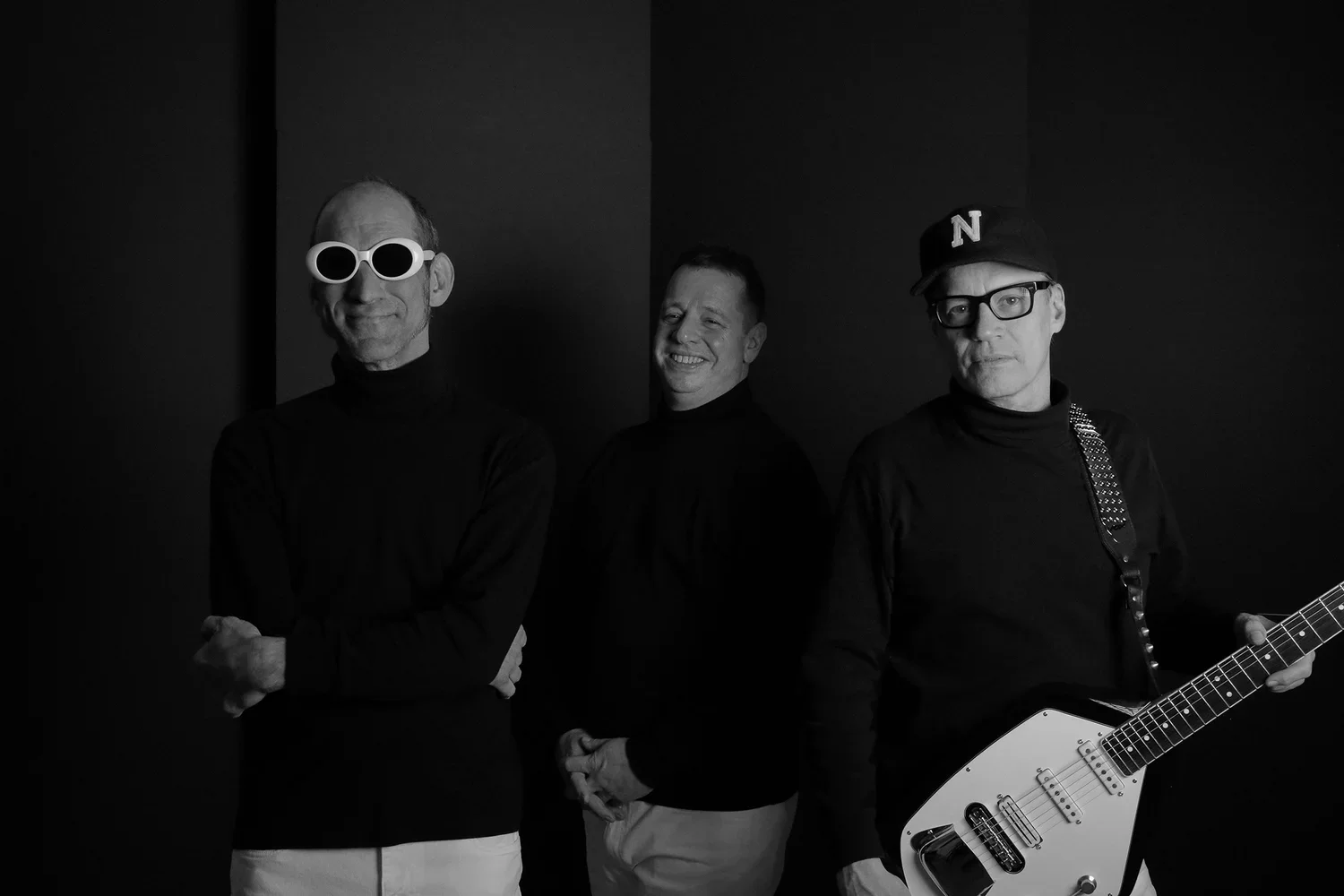
Harrison, who plays guitar and handles most of the vocals for the Nashville-based collective, came into the conversation with the kind of quiet confidence that comes from doing the work for a long time. Five albums deep, with a core lineup of drummer Steve Eby and bassist Tony Frost, Sour Ops has spent the years since Covid refining what was already a strong foundation into something that rewards close listening.
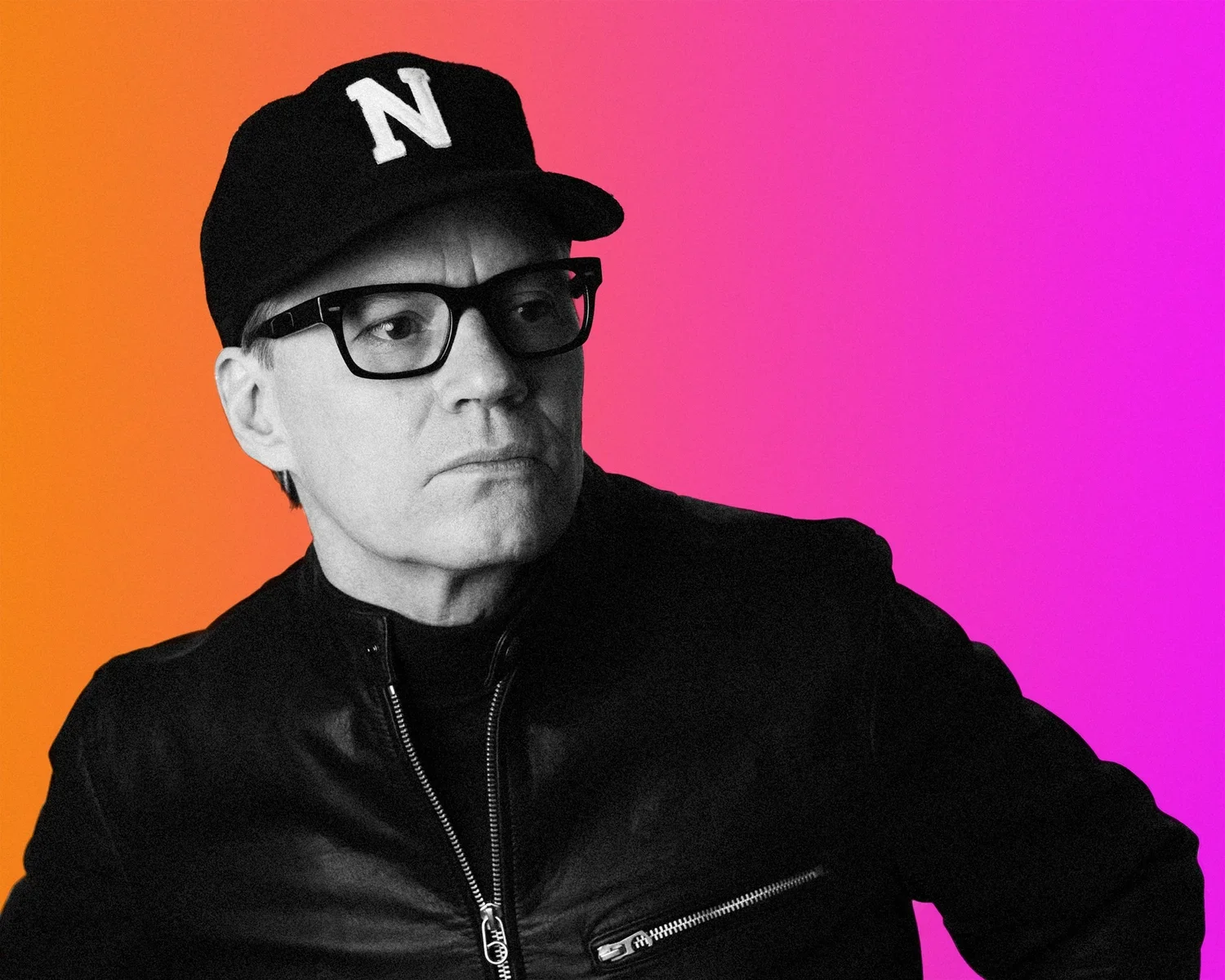
"I'm really obsessed with guitar sounds," Harrison said simply, and then proceeded to back it up. In 2012, he and a partner co-founded a company designing and hand-wiring guitar amplifiers. The project eventually wound down, but the knowledge it produced became baked into everything Sour Ops does in the studio: a custom-built space Harrison designed himself as an architect, calibrated from the ground up for analog sources running through high-quality digital conversion.
"I'm kind of on a hybrid philosophy," he explained. "I don't think you can beat a good tube amplifier. But I'm old enough to have recorded on tape and dealt with all of those problems. We're at this incredible time in history where we can take advantage of both technologies."
Make it stand out
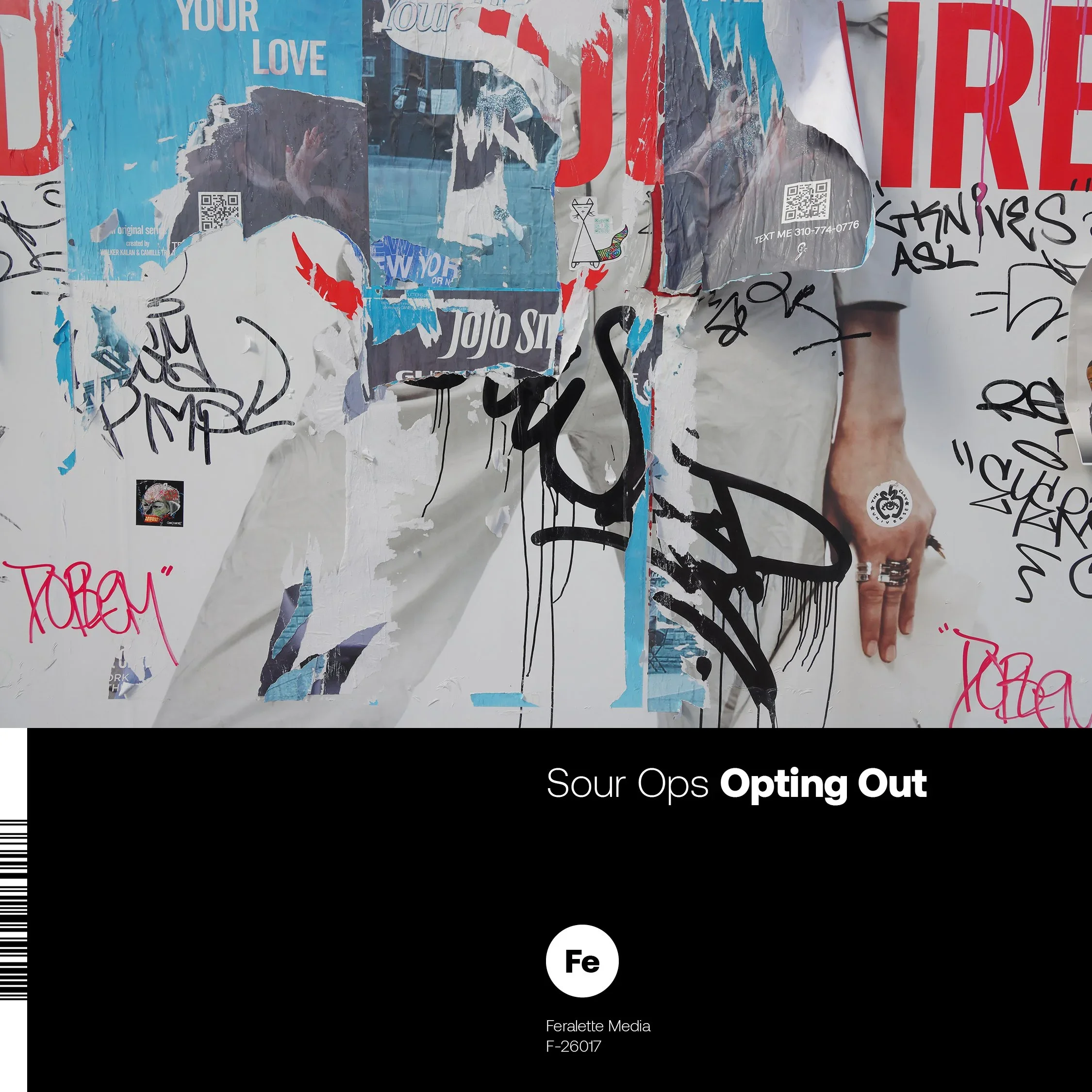
The result is audible across the band's catalog, and especially on their new single "Opting Out," which Harrison described as a showcase for that approach: crisp and poppy on the surface, with serious production density underneath. The band's most recent album is also, by Harrison's account, their most stripped-down, though it still features pedal steel from Paul Niehaus and background vocals from Amanda Broadway, two collaborators who have appeared on multiple records.
Influences: From the East Village to Big Star
Harrison spent eleven years in New York, playing in a garage band called The Botswanas alongside acts like The Liars, The Fleshtones, and the Friggs. He counts that late-eighties, early-nineties garage rock revival, stretching from Boston through New York to Philadelphia, as the genre he loves most.
But Nashville brought a different reference point into focus. Harrison talks about Big Star with the reverence of someone who has genuinely studied them: the relationship between the band and Ardent Studios, the meticulous engineering, the way they built a sound that's proven nearly impossible to replicate. Teenage Fanclub gets a mention too, heavy but pop, exactly the balance Sour Ops is chasing.
"I think it's 2026 and true rock and roll is appropriate right now," Harrison said. "It's a turbulent age. The media environment is confusing. I wanted to reflect that in the records. And I think that sound resonates with young people and older people alike."
"Some of the best rock and roll slash punk music I've seen live in Nashville is from younger bands,
Nashville: The Scene Beneath the Scene
Ask most people about Nashville's music scene and they'll talk about lower Broadway, the honky-tonks, the country machine. Harrison, who has spent years documenting the city's smaller venues with his camera, has a different view.
"Some of the best rock and roll slash punk music I've seen live in Nashville is from younger bands," he said. "If you know, you know." He mentioned a band called Sniper as one worth watching, and described a thriving world of house parties and small clubs operating the same way they did twenty years ago, underneath the tourist economy and largely invisible to it.
As for the bigger names who've relocated to Nashville, including the Black Keys, Cage the Elephant, Paramore, and Jack White, Harrison is measured. He's been to sessions, knows people, and has had his hand-built amplifiers end up in some notable hands. But he doesn't feel competitive with any of it. "In Nashville, if you want someone from another band to come help you on a session, it's pretty low key," he said. "You say you're available, can you come over? It works pretty well."
That's a sharp contrast to his New York years, where the East Village scene had more of a gossip and competition edge to it. Nashville, he says, lets you focus on the song.
How He Builds a Track
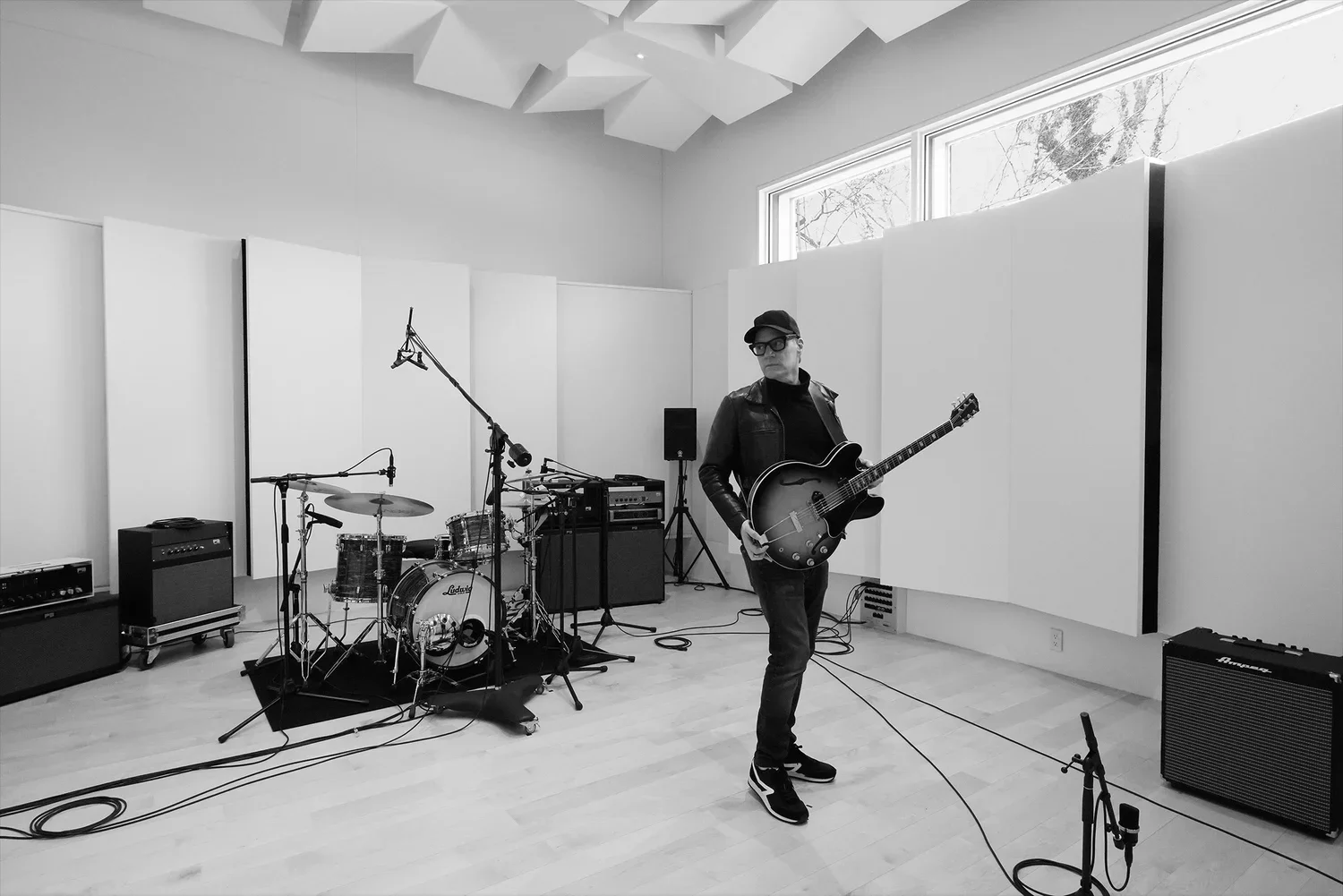
Harrison's recording process reveals the architectural thinking behind the band's aesthetic. He starts with electric guitar, locked in until the tempo is exactly right. Drums come next, because he wants the drummer reacting to the guitar, not a click track. A working bass line goes down as a placeholder, but the final bass performance is recorded last, after everything else is in place, so Tony Frost can hear every kick hit and fill before committing.
"The power is there, the rhythm is there, but the clarity is also there," Harrison said. "Everything is kind of where it needs to be sonically. Then you make room for things like a background vocal or something shimmery that can actually work."
He's also an evangelist for something he feels has largely disappeared from rock music: rhythm guitar. "Rhythm guitar has been completely forgotten," he said. "I don't hear a lot of just solid rhythm guitar driving everything." For Harrison, that underpinning is what gives the band its contained, almost coiled energy, a quality he directly connects to the Sex Pistols, a band he sees as a model of structural tension.
"Everything is very tight and structured," he said. "The energy is so contained within the structure that it makes it even more unnerving and more powerful."
What's Next
Sour Ops isn't planning a major tour. Harrison is honest about his ambivalence toward the road, and practical about where the band's energy is best spent right now. "I think it's a good time to spend a little extra time trying to get it out to people," he said. "It seems to be connecting well so far."
The full new album is available on SoundCloud, and Sour Ops is on all major streaming platforms as well as Bandcamp. Several radio stations have already reached out about adding songs to rotation, and Radio Garden State is among them.
"If you like rock and roll," Harrison said, "you'll be pleased."
Sour Ops can be found on Bandcamp and all major streaming platforms. "Opting Out" is available now. This interview originally aired on Temple of Sound, hosted by Rich Temple. Listen to it now on our Patreon page