

The Flatliners Aren’t Interested in Nostalgia
Chris Cresswell talks touring, Toronto punk, creative evolution, and why ‘Cold World’ still hits with urgency.
By Elena Stevens Radio Garden State / Riot + Reverie Radio
The best punk bands don’t age gracefully.
They either calcify into nostalgia acts, trapped inside the ghosts of their own records, or they disappear entirely under the weight of survival, burnout, and adulthood.
The Flatliners chose a different path.
For more than two decades, the Flatliners have grown alongside their audience instead of chasing the ghosts of their earlier records. And on Cold World released May 8 through Dine Alone Records in Canada and Equal Vision Records in the U.S., That trajectory feels sharper than ever.
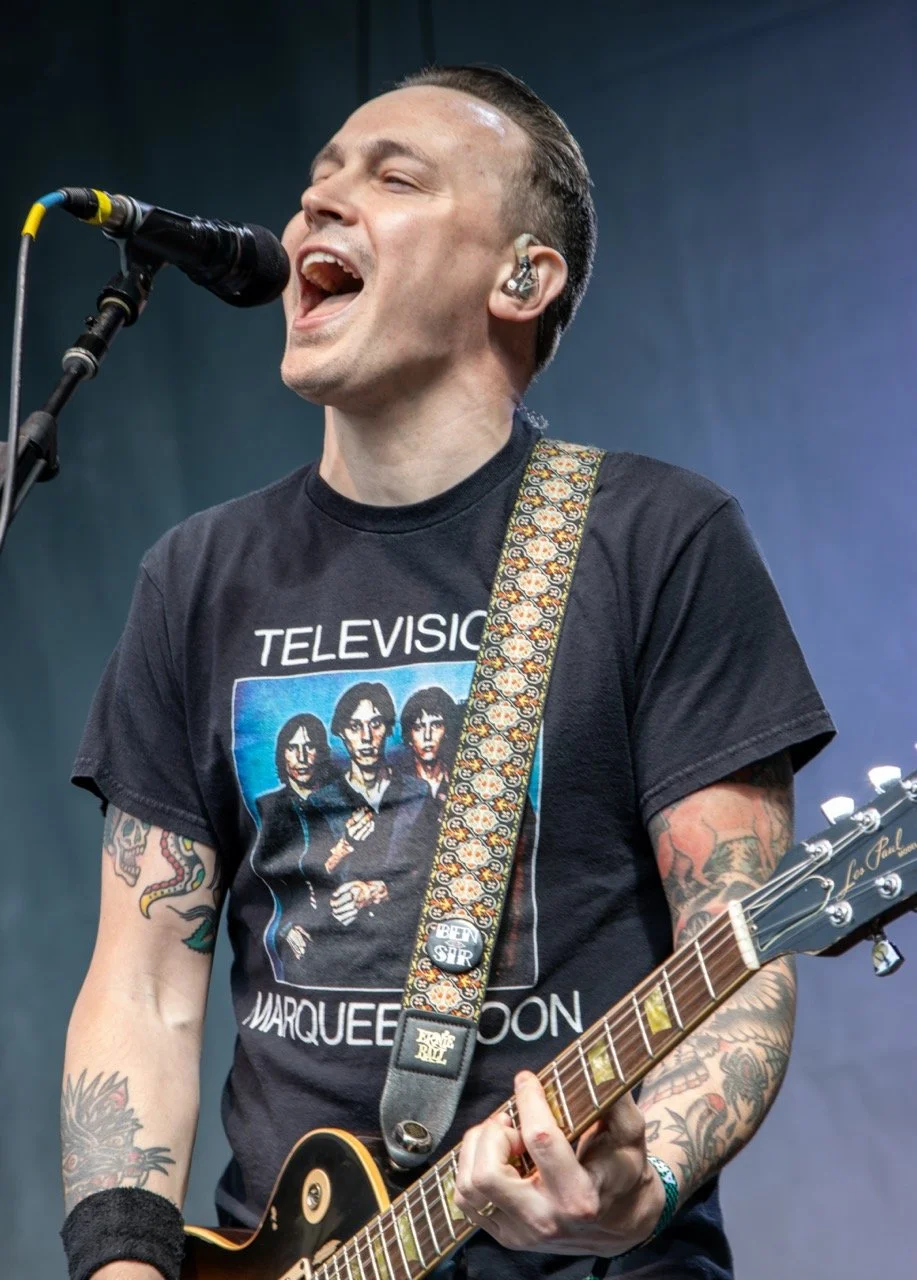
When Riot + Reverie Radio caught up with Chris Cresswell following the Sing Us Home Festival in Manayunk, PA this past month, the conversation quickly drifted beyond music.
What started as a discussion about touring and Toronto punk scenes became something more honest: how punk bands survive long enough to grow older without losing themselves along the way.
Even though the interview ultimately happened online, Philly still feels like the perfect city for that conversation.
Not because punk is trendy again. Not because people here romanticize underground music. Philly understands bands like the Flatliners because this city understands grit. It understands what it means to build something slowly, honestly, and without shortcuts.
The cracked sidewalks, basement venues, dive bars, union neighborhoods, latenight
diners, and blue-collar heartbeat running through Philadelphia feel deeply
connected to the world the Flatliners came from, and the one they still occupy
now.
For Cresswell, cities have always left fingerprints on him. Touring for most of his
adult life means collecting temporary homes along the way, places like Exeter,
England or New Bedford, Massachusetts , cities that briefly felt permanent before
the next stretch of highway called again.
“There’s a version of that for people like you and I,” he says. “You’re traveling and interacting with people all the time. If you’re having a blast in that city and the people are cool, what’s not to inspire you to think, ‘What if I stayed here for a while?’”
Photo by: KM North
IG: @filthyluckproductions
That restless spirit has always lived inside the Flatliners.
Long before international tours and festival stages, they were suburban Canadian kids driving across Southern Ontario playing to fifty people a night, if they were lucky.
Sometimes less.
Cresswell laughs remembering an early Maritime tour where the band ended up playing to virtually nobody at a pizza restaurant in New Brunswick. The only people in attendance were a friend from Ottawa and her parents, who coincidentally stopped there during a family trip.
“We canceled the rest of the tour and went home because we had no money,” he laughs.
That reality check became part of the foundation. Like so many punk bands that emerged in the early 2000s, the Flatliners grew inside a scene that still felt physical. Before algorithms flattened discovery into content feeds, communities were built in church basements, VFW halls, skate shops, parking lots, and all-ages venues that smelled like sweat, spilled beer, late nights, and bad decisions.
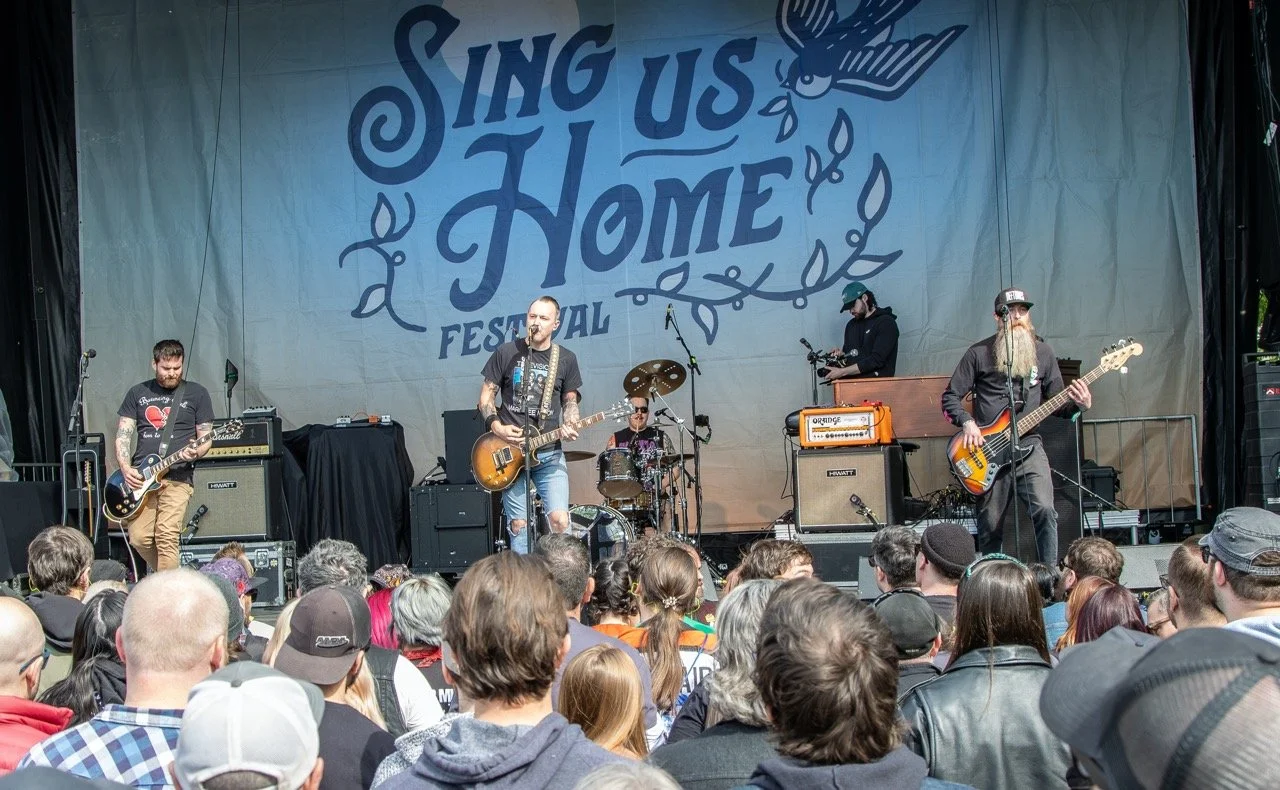
Photo by: KM North
IG: @filthyluckproductions
Southern Ontario became fertile ground for melodic punk, hardcore, ska-punk, and emo bands that blurred genre lines while feeding off each other creatively. For Cresswell, that world started with skate videos and an older brother introducing him to bands like NOFX, Bad Religion, A Tribe Called Quest, and Beastie Boys.
But one record changed everything.
“I got ...And Out Come the Wolves the day it came out on tape,” he says of Rancid’s landmark release. “I still have that tape. I can’t believe it didn’t snap from how many times I listened to it.”
You can still hear traces of that era running through the Flatliners’ DNA, the velocity, the hooks, the emotional urgency buried underneath the distortion. But reducing the band to punk alone misses the point entirely.
Over the years, Cresswell’s musical vocabulary expanded far beyond the genre that first shaped him. There are moments in his solo material that feel closer to Wilco or Richard Ashcroft than traditional punk rock. At one point during the conversation, he lights up talking about Afrobeat records, revisiting The Tragically Hip, and discovering new music the same way fans still do.
“No music is off the table,” he says. That openness feels central to what makes the Flatliners still matter after more than two decades. They never became a nostalgia act because they never stopped expanding creatively. Instead of trying to recreate the records they made as teenagers, the band allowed themselves to grow older publicly, musically, emotionally, and politically.
That growth is all over Cold World.
The album feels heavier than some of the band’s earlier work, not necessarily sonically, but emotionally. Written during a time where political instability, burnout, environmental collapse, and cultural exhaustion feel unavoidable, Cold World sounds like a band refusing to disengage from reality.
“You got one planet, one shot at life, and you’re gonna ruin it by being a racist asshole?” Cresswell says bluntly.
It’s a line that perfectly captures the emotional center of the record.
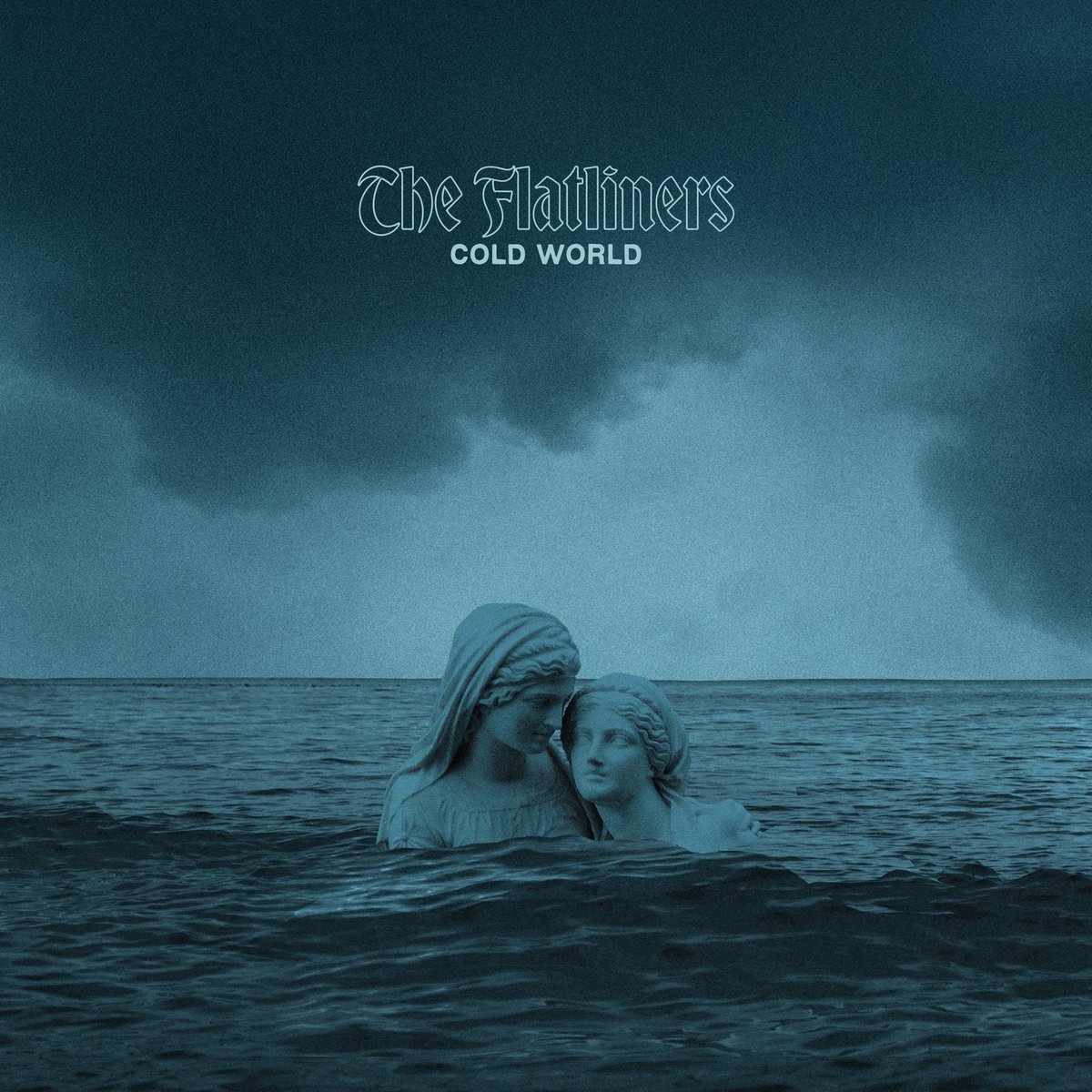
There’s anger throughout Cold War, but there’s also clarity. Purpose. Humanity. The same things punk has always offered people trying to survive difficult times.
“I’m always more drawn to writing about the darker parts of life,” Cresswell admits. “But writing lyrics helps me stay positive because I can shit out the bad and make something good from it.”
That balance between catharsis and connection has always been the Flatliners’ greatest strength. Even as the band evolved from ska-punk roots into something broader and more emotionally expansive, they never lost the ability to make
songs feel lived-in. Their records still carry the feeling of motion: long drives, late nights, uncertainty, friendship, frustration, and hope.
And maybe that’s why the band still resonates across generations.
At Sing Us Home Festival, longtime fans who discovered the Flatliners through Fat Wreck Chords stood beside younger listeners hearing songs from Cold War for the first time.
Somehow, both groups connected to the same thing.
Not nostalgia.
Honesty.
Because underneath the decades of touring, the punk lineage, and the mythology that naturally follows bands who survive this long, the Flatliners still operate from
the same emotional core they always have: trying to make sense of a complicated world without losing themselves inside it.
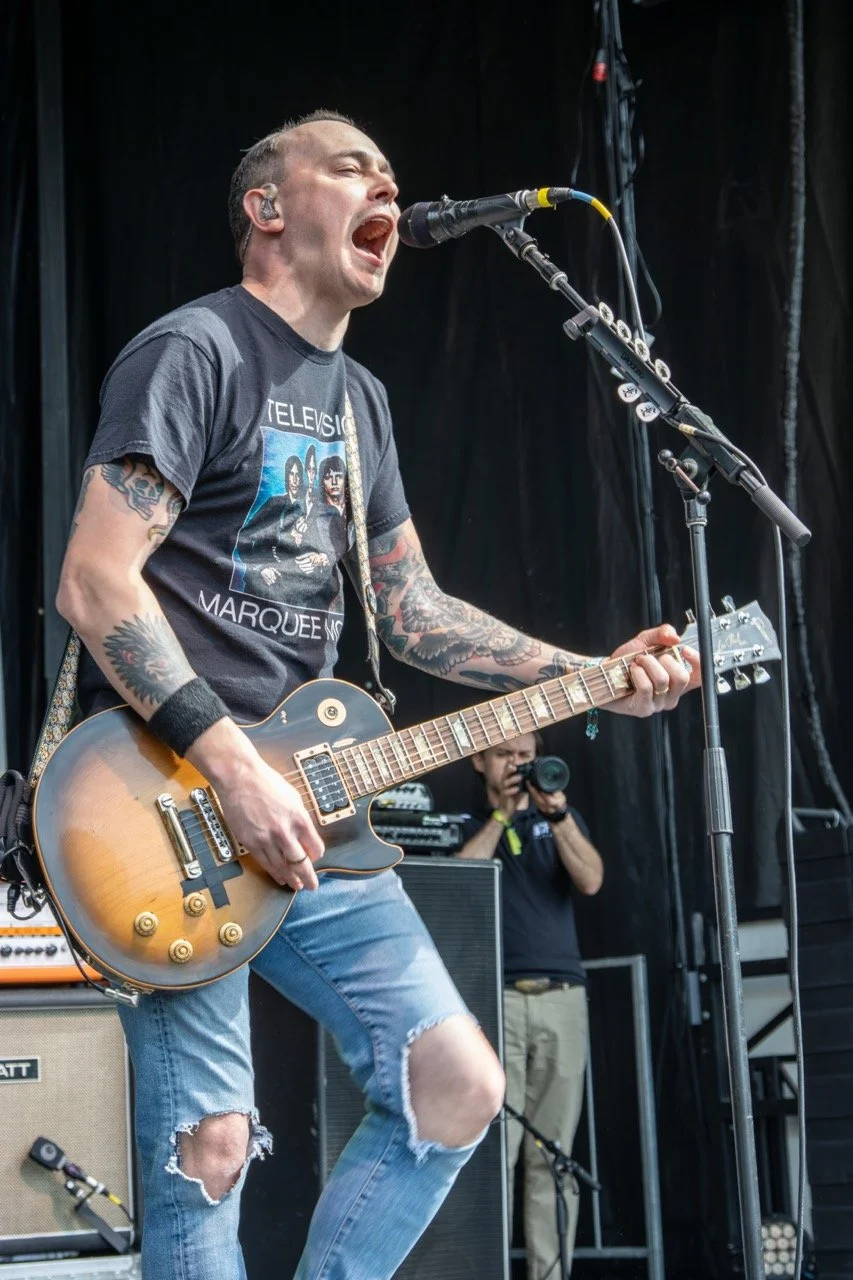
And onstage, that urgency still feels immediate.
Photo by: KM North
IG: @filthyluckproductions
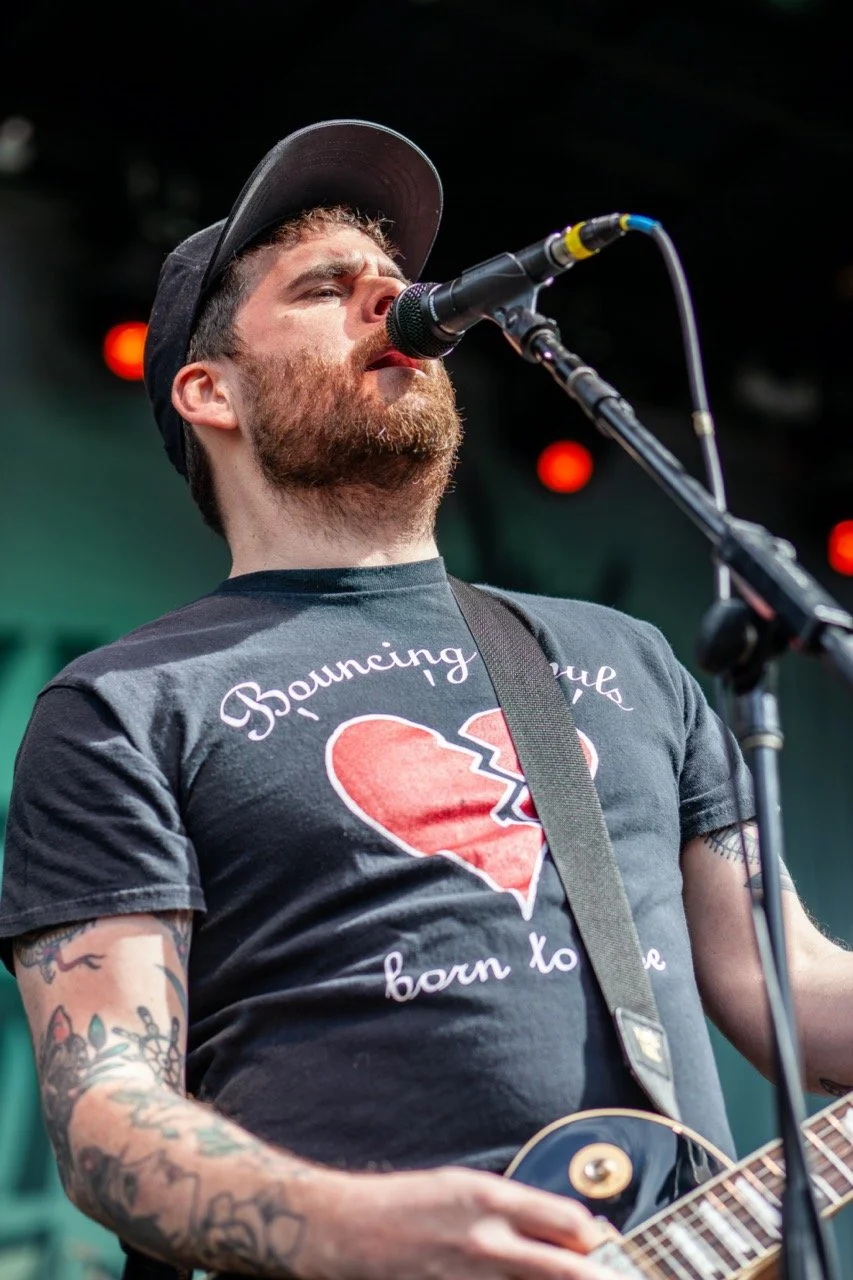
Before performing, Cresswell comes across calm and almost reserved. But the second the band steps onstage, something shifts.
The Flatliners don’t play like a band coasting on legacy. They play like people who still need this music.
“There’s just a mode you tap into,” he says. “It’s hard to describe.”
Maybe that’s because some things in punk were never meant to be explained
perfectly.
Only felt.
Photo by: KM North
IG: @filthyluckproductions
Follow The Flatliners - https://www.theflatliners.com/
